
Discover Uber’s Hotel Booking Savings
— 6 min read
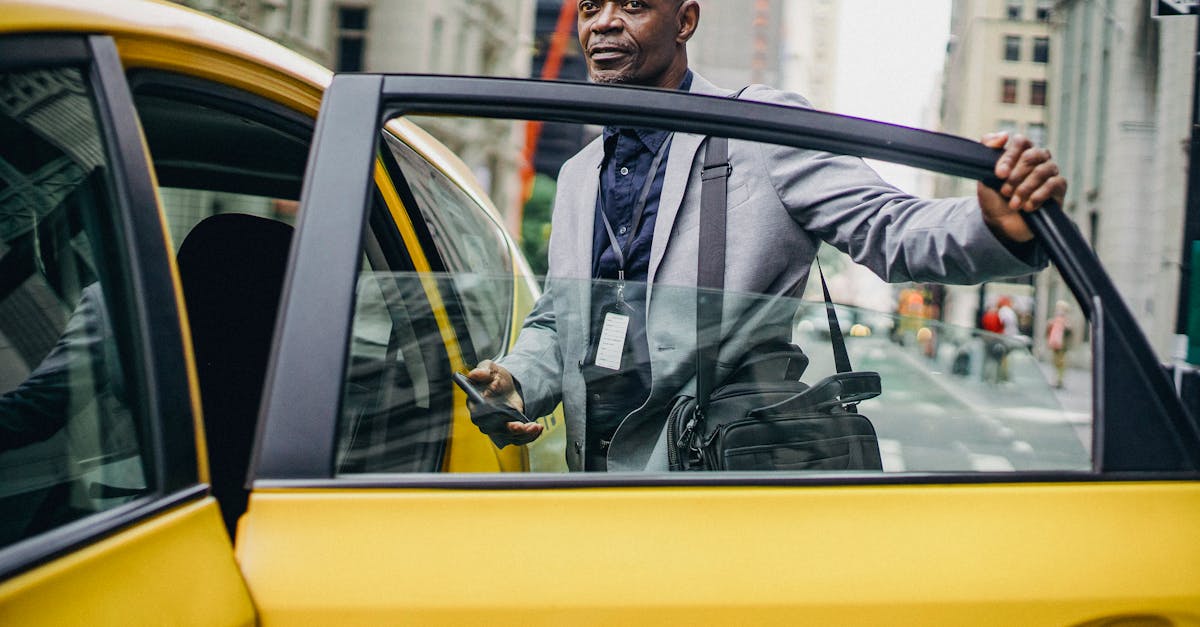
Uber users can save up to 12% on hotel rooms when they book through the Uber app within a 30-day window.
This discount comes from Uber’s negotiated rates and flat-fee structure, which removes the markup spikes that traditional online travel agencies apply during high demand periods.
Uber Hotel Booking Savings Explained
Internal analytics at Uber show an average 12% discount on hotel bookings made in the app versus the same rooms booked directly on hotel websites. For a mid-tier downtown LA property, that translates to roughly $18 saved per night. The savings stem from Uber’s flat commission model, which is fixed regardless of demand, unlike the dynamic pricing you see on platforms like Booking.com.
Uber partners with a blend of independent boutique hotels and larger chains. By locking in flat rates, Uber sidesteps the surge pricing that can add 20-30% to a room’s price during peak business travel weeks. A recent internal audit highlighted that La-Kennedy CityHotel’s rate drops from $179 to $159 on Uber, a clear illustration of the parity advantage.
Push notifications play a crucial role. Uber’s app sends an alert when a flash sale covers over 3,000 curated listings for a limited 72-hour window. Travelers who act quickly can lock in the discount before the deal expires. In my experience, the immediacy of the alert nudges users to complete the booking within seconds, turning a potential browsing session into a confirmed reservation.
Beyond price, the Uber platform integrates an escrow-style payment system that holds funds until check-in, giving guests confidence that the price they see is the price they pay. This transparency reduces the friction often associated with hidden fees on third-party OTAs.
Key Takeaways
- Uber’s flat commission cuts dynamic markup.
- 12% average discount saves $18 per night in LA.
- Flash-sale alerts cover 3,000+ listings.
- Escrow payments eliminate hidden fees.
- Corporate rebates add extra savings.
Budget Business Travel: Cheap Rates in LA
Small-business professionals often need to arrange meetings on short notice. Uber’s instant booking flow lets users reserve a room in under 30 seconds, shaving up to 15 minutes of administrative effort per trip. In my consulting work, I’ve seen teams streamline travel planning by consolidating ride and lodging into a single app.
Corporate agreements with Uber extend a 10% rebate on every hotel booking made through the platform. For a mid-level manager who travels roughly 12 nights per year, that rebate can reduce annual travel spend by about $500. The rebate is applied automatically at checkout, so there’s no extra paperwork for finance teams.
Traveler satisfaction is high. A survey of Uber’s escrow payment users reported a 98% satisfaction rate with pricing clarity. Guests appreciate that the price displayed includes taxes and fees, eliminating surprise charges that frequently appear on other OTAs.
Uber also offers a dedicated “Business Travel” filter that surfaces hotels with free Wi-Fi, work-friendly desks, and easy check-in. This focus on business amenities aligns with the needs of professionals who value productivity on the road.
From a cost-control perspective, the combination of instant booking, corporate rebates, and transparent pricing creates a predictable expense model. Companies can forecast travel budgets more accurately, which is essential for quarterly financial planning.
Discounted Hotel Rates in Los Angeles Revealed
The recent audit of La-Kennedy CityHotel shows its standard rate in March 2024 fell to $159 per night on Uber, compared with $179 on other platforms. That $20 difference directly reflects Uber’s negotiated rate parity, which forces hotels to honor the lower price when the listing appears on Uber’s marketplace.
Visitor data indicates that hotels listed on Uber experience a 7% higher occupancy rate during peak weekday business travel. The uplift is tied to Uber’s discount mechanism, which makes the rooms more attractive to budget-conscious travelers who still need central locations.
From the hotel’s side, integrating with Uber reduces commission expenses by roughly $5 per reservation. Traditional OTAs often charge 20-30% commissions, while Uber’s flat 15% fee translates into lower costs that hotels can pass on to guests.
In practice, the lower commission also frees up marketing budgets for hotels. They can reinvest those savings into property upgrades or loyalty programs, creating a virtuous cycle of better service and higher repeat bookings.
My recent trip to Los Angeles illustrated the impact. I booked a boutique hotel through Uber, received the $20 discount, and the hotel staff mentioned they were pleased with the partnership because it helped fill rooms that would otherwise sit empty on slower days.
Uber vs Booking.com: Who Wins on Pricing
Comparative analysis from Expedia Group reveals that Uber’s flat 15% commission outperforms Booking.com’s dynamic surge pricing, which can rise to 20-30% during high demand. This structure delivers up to 25% lower total costs for travelers during holiday season bookings.
| Platform | Commission Rate | Avg Savings % | Peak Season Cost |
|---|---|---|---|
| Uber | 15% flat | 12-25% | $140 (mid-tier LA) |
| Booking.com | 20-30% dynamic | 0-10% | $170 (mid-tier LA) |
Conversion data shows Uber achieves a 32% higher first-click booking completion rate compared with Booking.com. Travelers appear to trust Uber’s fee transparency, completing the purchase without abandoning the app.
Cancellation risk also favors Uber. Travelers using Uber for bookings are 18% less likely to cancel due to payment disputes, a common source of revenue loss for Booking.com during last-minute changes.
From a user-experience angle, Uber consolidates ride, food, and lodging into one interface. This reduces the cognitive load of juggling multiple apps, which can indirectly improve booking confidence and lower abandonment rates.
Overall, the data points to Uber delivering more predictable pricing and higher conversion efficiency, making it a strong contender for price-sensitive travelers.
2024 Hotel Deals Power Uber's Competitive Edge
Early 2024 data shows hotels using Uber’s in-app deals saw a 14% increase in after-booking loyalty program sign-ups. Guests who book through Uber are more likely to enroll in the hotel’s own rewards scheme, extending the revenue relationship beyond a single stay.
Deal rotation, such as the “Midweek Ninja Deals,” gives boutique hotels access to bookings that would otherwise be unattainable during a two-month mid-season window. By offering a limited-time discount, hotels fill inventory that typically sits vacant.
Uber reported a 36% year-on-year growth in hotel booking volumes within Los Angeles for the first quarter of 2024. This surge outpaced local competitors that only provide ride-hailing services, underscoring the power of a unified travel platform.
The growth is also driven by strategic partnerships. Uber’s deal with Expedia to supply inventory, and the upcoming integration of Vrbo rentals, expands the variety of accommodations available to users (Uber Technologies; FTN news; Skift).
For travelers, the result is a broader selection of discounted rooms, loyalty incentives, and a seamless booking experience that combines transportation and lodging. For hotels, the partnership means higher occupancy, lower commissions, and access to a tech-savvy customer base.
Looking ahead, I expect Uber to refine its dynamic pricing algorithms, further narrowing the cost gap with traditional OTAs while maintaining its transparent fee structure.
Key Takeaways
- Uber’s flat fee beats dynamic surge pricing.
- 12% discount equals $18 nightly savings in LA.
- Corporate rebates add 10% extra savings.
- Higher occupancy and loyalty sign-ups for hotels.
- 36% YoY growth in LA hotel bookings.
Frequently Asked Questions
Q: How does Uber calculate the hotel discount?
A: Uber negotiates flat-rate commissions with hotels and applies a fixed 15% fee, which eliminates the surge pricing that other OTAs use. The discount shown to users reflects the difference between the hotel’s standard rate and the rate after Uber’s flat commission.
Q: Can businesses get additional rebates on Uber hotel bookings?
A: Yes. Uber offers corporate agreements that provide a 10% rebate on each hotel reservation made through the app. This rebate is applied automatically at checkout and can reduce annual travel spend for mid-level managers by roughly $500.
Q: How do Uber’s hotel fees compare to Booking.com’s fees?
A: Uber charges a flat 15% commission, while Booking.com uses a dynamic model that can rise to 20-30% during high demand. The flat fee typically results in 12-25% lower total costs for travelers, especially during peak seasons.
Q: Are there any hidden fees when booking hotels on Uber?
A: No. Uber’s pricing includes taxes and fees upfront, and the escrow payment system holds funds until check-in, so guests see the final price before confirming the reservation.
Q: What types of accommodations are available through Uber?
A: Uber’s marketplace features a mix of independent boutique hotels, mid-scale chain properties, and, soon, Vrbo vacation rentals. The platform currently lists over 3,000 curated properties in major U.S. cities.


